


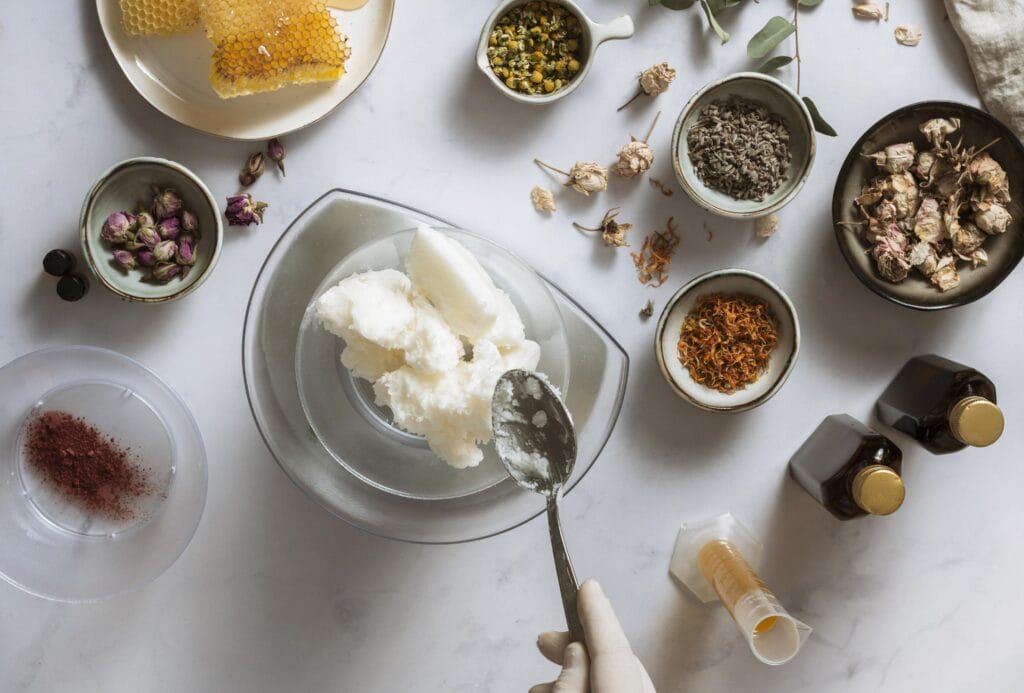
Creating your skincare products at home is a chance to customize and control the ingredients that go into your products. When you have quality making supplies on hand, you can make different types of soap to suit your skin’s needs. Here are some of the soap making supplies for sensitive skin:
Choose Gentle Bases
A base is the alkaline substance that converts fats and oils into different soaps. If you have sensitive skin, you may choose natural bases like goat milk or shea butter. This allows you to avoid harsh chemicals and additives that potentially irritate the skin. Choosing a gentle soap base allows your final product to be safe for sensitive skin types. Look for unscented options to reduce irritation; these can be an ideal option for people allergic to fragrances.
Use Essential Oils
Your soap uses natural oils to cleanse your skin, and some have natural ingredients that are ideal for those with sensitive skin. While you are able to use synthetic fragrances and oils, essential oils are a natural alternative that also offer therapeutic benefits. You can select oils like lavender or chamomile for soothing effects, or peppermint and eucalyptus for invigorating scents.
Before you choose the final essential oil to use, test it on a small area of skin before full use. Incorporating oils with calming properties, like rose, can be beneficial for those with sensitive skin. For those looking to add a refreshing scent, use oils that are certified organic and pure.
Add Skin-Friendly Exfoliants
Some soap making supplies include exfoliants that help prevent irritation on the skin when you apply them. Oatmeal or finely ground almonds are exfoliant options to incorporate into your skincare routine. These exfoliants are biodegradable options for eco-friendliness, and you may avoid being exposed to harsh chemicals found in traditional exfoliants. Combine these with oils or honey for added nourishment while exfoliating.
When you incorporate moisturizing ingredients in your exfoliation routine, you remove dead skin cells and hydrate your skin. Other ways to incorporate moisturizing ingredients include:
- Add ingredients like aloe vera, honey, or glycerin.
- Use oils like jojoba or avocado for extra hydration.
- Focus on natural emollients, like shea butter, to lock in moisture.
Use Natural Ingredients
You can avoid synthetic dyes, preservatives, fragrances, and other artificial ingredients in your soap making project. Use natural ingredients instead to create simple soaps that are safe for sensitive skin. Natural additives, such as herbs and flowers, help to enhance the look of your soap. Instead of using artificial colors, invest in supplies that offer natural pigments, such as turmeric; you may also customize soaps with pigment powders that have had impurities removed.
Buy Quality Soap Making Supplies
Buying your soap making supplies from a reputable manufacturer allows you to have uniformity in your batches. You have access to high-quality ingredients that are safe for use on the skin, and you can create custom soaps that align with your brand or support a range of customer needs. Contact your supplier today to find out what options they have available for your soap making project.
