



Have you ever felt mentally exhausted even when you haven’t done much physical work? Sometimes, a busy schedule, family responsibilities, studies, or constant worrying can make an ordinary day feel difficultStress is a natural human function with the body releasing hormones to prime our ‘flight or fight’ response to events but we now live in times where greater emphasis is placed on achievement, material possessions and status which creates more stress points.
1. Follow a Healthy Daily Routine
An unorganized schedule can make even simple responsibilities feel overwhelming and less mental stress. When you have no clear plan for the day, important tasks may pile up, creating unnecessary pressure.
2. Get Enough Quality Sleep
Sleep plays an important role in emotional and physical health. When you don’t get enough rest, you may feel irritated, distracted, or less patient with others.
To improve your sleeping habits:
- Maintain a regular bedtime.
- Avoid using your phone right before sleeping.
- Keep your bedroom comfortable and quiet.
- Avoid heavy meals close to bedtime.
- Give yourself enough time to relax before goiAng to bed.
Good sleep helps your mind recover and makes it easier to handle everyday challenges.
INSTANT WAY TO REDUCE STRESS AND FEEL RELAX
. Breathe
Slow, deep breath can help lower blood pressure and heart rate. Try a yogic method that involves breathing through one nostril at a time to relieve anxiety. The technique is supposed to work the same way as acupuncture, balancing the mind and body.
2. HEAR SOMETHING RELAXING
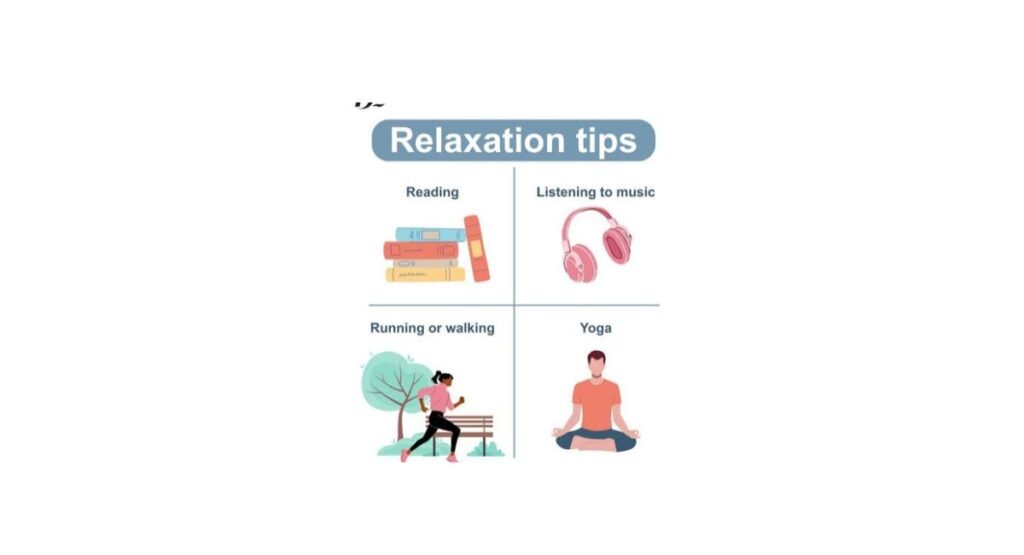
No matter what the song, sometimes belting out the lyrics to a favorite tune makes everything seem all right. If you’re in a public place, just listening to music can be a quick fix for a bad mood. Classical music can be especially relaxing right before bedtime.
3. START WALKING
When you’re feeling overwhelmed or having trouble concentrating, go for a quick strollaround the block. You’ll get the benefits of alone time, physical activity, and a few minutes to gather your thoughts.
4. FEEL NATURE
If it’s a sunny day, head outside for an easy way to lift your spirit Bright light can be an effective treatment for people who suffer from depression, and can even cheer up otherwise healthy people.
5. Give Yourself a Hand Massage
When there’s no professional masseuse in sight, try DIYing hand massage for instant relaxation that calms a pounding heart. Hands in general can carry a lot of tension. Apply some lotion and start kneading the base of the muscle under the thumb to relieve stress in the shoulders, neck, and scalp.
3. Stay Physically Active improve mental stress
You don’t need an expensive gym membership to enjoy the benefits of physical activity. Simple movements, such as walking, cycling, stretching, or dancing, can support your emotional well-being.
A short walk outside can provide a refreshing break, especially after spending hours studying or working. Physical activity also supports better sleep and overall health.
Choose something you enjoy because it’s easier to maintain a habit when it doesn’t feel like another responsibility.
4. Practice Deep Breathing and Relaxation
Sometimes, taking a short break is all you need to feel more settled. Deep breathing is a simple relaxation technique that can help you slow down and focus on the present moment.
Find a comfortable place, breathe in gently through your nose, and slowly breathe out. Repeat this for a few minutes without forcing your breathing.
You can also try meditation, gentle stretching, or listening to peaceful sounds. These activities create a little space between your responsibilities and your personal time.
5. Spend Time With Family and Friends
Talking to someone you trust can make difficult situations easier to handle. Keeping every concern to yourself may leave you feeling isolated.
Make time for family members, close friends, or people who make you feel comfortable. Even a simple conversation over tea or a short walk together can improve your mood.
And remember, you don’t always need someone to give you advice. Sometimes, having a person who listens without judging is enough.
6. Eat a Balanced and Nutritious Diet
Food doesn’t just provide energy for physical activities; it also supports brain function and general well-being.
Include different food groups in your daily meals, such as:
- Fresh fruits and vegetables
- Whole grains
- Eggs, fish, beans, and other protein sources
- Nuts and seeds
- Enough water throughout the day
Try not to skip meals, especially when you’re busy. A balanced diet supports your body and helps maintain steady energy levels.It improve mental stress
7. Take Breaks From Social Media
Scrolling through social media for hours can leave you mentally tired. Constant notifications, negative news, and comparisons with other people’s lives may affect your mood.
Instead of checking your phone every few minutes, set some limits on screen time. Keep your phone away during meals, study sessions, and family conversations.
You can also spend your free time reading, enjoying a hobby, or going outside. A little distance from digital distractions can help you focus on what’s happening around you and less mental stress
8. Learn to Manage Your Time
Having too many responsibilities at once can make you feel overwhelmed. Time management helps you organize your tasks and avoid unnecessary pressure and mental stress
Start by writing down what needs to be completed during the day. Divide larger responsibilities into smaller steps and focus on one task at a time.
A few helpful habits include:
- Make a simple daily to-do list to reduce mental stress
- Complete important tasks first.
- Avoid delaying responsibilities unnecessarily.
- Set realistic deadlines.
- Leave some free time in your schedule.
Don’t expect yourself to finish everything perfectly. Being realistic about your time is just as important as being productive.
9. Make Time for Hobbies and Enjoyable Activities
Life shouldn’t revolve around responsibilities all the time. Everyone needs activities that bring enjoyment, creativity, and relaxation to reduced mental stress
You might enjoy painting, gardening, cooking, reading books, or learning something new. These activities give you an opportunity to focus on something positive outside your usual routine.
Even spending 15 to 20 minutes on a favourite hobby can make your day feel more balanced. Choose something you genuinely enjoy rather than something you feel pressured to do.
10. Seek Professional Support When Needed
Sometimes, daily habits aren’t enough to manage ongoing mental stress. If feelings of worry, sadness, or pressure continue affecting your sleep, studies, relationships, or everyday activities, speaking with a qualified mental health professional can help.
A psychologist or counsellor can help you understand your concerns and develop healthy ways to manage them.
Asking for support isn’t a sign of weakness. It’s a sensible step towards taking care of yourself. You don’t have to wait until things become overwhelming before reaching out.
Why Is It Important to Prevent Mental Stress?
Looking after your mental well-being is important for maintaining a balanced lifestyle. When you take care of your emotional health, you may find it easier to concentrate, communicate with others, and make everyday decisions.
Healthy habits can also support:
- Better concentration: A calmer mind can make it easier to focus on studies and work.
- Improved relationships: Managing emotions can help you communicate more patiently.
- Better sleep: Relaxation and a consistent routine support healthy sleeping habits.
- Emotional balance: Healthy coping strategies can make difficult situations easier to manage.
- Overall well-being: Looking after your mind and body supports a healthier lifestyle.
Conclusion
Taking care of your mental well-being doesn’t require major changes overnight. It often starts with simple decisions, such as getting enough sleep, spending time with loved ones, enjoying your hobbies, and organizing your daily routine.Reduce mental stress , enjoy life
Frequently Asked Questions (FAQs)
1. What are the common causes of mental stress?
Common causes include academic pressure, work responsibilities, financial worries, family problems, lack of sleep, and major life changes. Different people may experience different challenges.
2. How can I relax my mind naturally?
You can relax by taking a short walk, practising gentle breathing exercises, listening to music, reading, or spending time with people you trust.
3. Can exercise help improve mental well-being?
Yes. Regular physical activity can support mood, improve sleep, and contribute to overall emotional well-being.
4. What foods support good mental health?
A balanced diet containing fruits, vegetables, whole grains, protein, nuts, and healthy fats supports brain and body health.
5. When should I seek professional help?
Consider speaking with a qualified professional when emotional difficulties continue for several weeks, become difficult to manage, or interfere with your everyday activities. You can seek help sooner if you feel you need support.
