


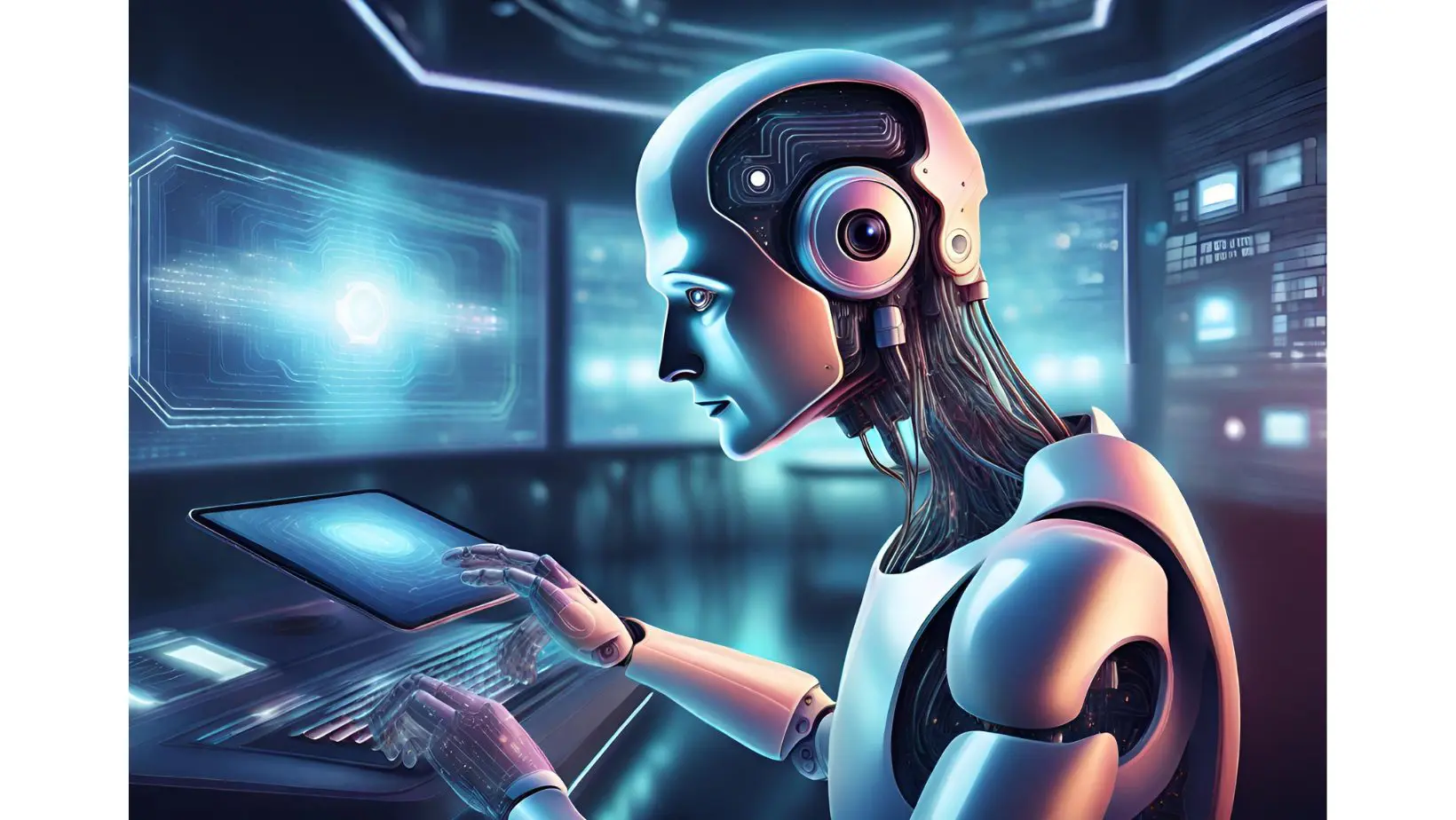
Artificial intelligence has rapidly transformed the way content is created, shared, and consumed across digital platforms. Among the most impactful developments are AI-powered video translation and image conversion technologies—two areas that have redefined global communication, accessibility, and creative production. As audiences grow more diverse and content becomes increasingly visual, businesses and creators rely on AI to bridge language barriers, streamline workflows, and unlock new creative possibilities.
Breaking Language Barriers Through Video Translation
Traditionally,video translator content required a team of human translators, editors, and voice actors—a time-intensive and often costly process. AI has dramatically changed this landscape. Modern AI models now analyze audio, detect speech patterns, transcribe dialogue, and translate it into multiple languages with impressive accuracy. Some systems even generate synthetic voiceovers that mimic the tone and emotion of the original speaker.
One of the biggest advantages of AI video translation is scalability. A single piece of content—whether a marketing video, documentary, tutorial, or social media clip—can be translated into dozens of languages in hours or even minutes, allowing creators to expand their reach to global audiences. This removes many of the financial and logistical barriers that once prevented small organizations or individuals from distributing international content.
AI also enhances accessibility. Automated subtitle generation helps viewers with hearing impairments, while real-time translation supports live broadcasts and global events. For learners, multilingual educational videos offer more inclusive access to knowledge. The result is a digital environment where content becomes universally shareable rather than confined by language.
How AI Enhances the Accuracy of Translations
AI translation has evolved far beyond simple word-to-word conversions. Today’s systems rely on deep learning architectures that understand context, tone, idioms, and cultural nuances. This contextual awareness allows AI to preserve meaning more effectively—an essential component when translating humor, emotional content, or industry-specific terminology.
Neural networks are trained on massive multilingual datasets, enabling them to detect patterns and syntax that traditional rule-based systems could not. As these models continue to learn from user feedback and real-world usage, their fluency and precision improve over time. Some advanced solutions even recognize regional dialects and adjust translations accordingly.
While human translators remain crucial for high-stakes translations—such as legal or technical documentation—AI serves as an efficient first layer. It reduces workload, accelerates production timelines, and significantly lowers translation costs.
The Evolution of Image Conversion Through AI
Alongside video translation, AI-powered image to video AI has reshaped digital creativity and visual communication. Image conversion once involved complex editing software and manual refinement. Now, AI automates many of these tasks with high levels of precision.
AI image conversion covers a wide range of applications:
- Format conversion and enhancement: AI sharpens images, removes noise, upscales resolution, and converts low-quality visuals into professional-grade graphics.
- Style transformation: Neural style transfer allows users to convert photos into artistic styles—oil paintings, sketches, watercolor, or even the look of famous artists.
- Object and background manipulation: AI can isolate subjects, remove backgrounds, replace objects, and re-light scenes with minimal manual input.
- 3D modeling from images: Advanced models can generate 3D structures from 2D photos, aiding industries like gaming, architecture, and product design.
These capabilities have dramatically streamlined processes for photographers, designers, marketers, and content creators. What once required professional editing skills can now be performed by intuitive AI tools accessible to anyone.
Empowering Global Creativity and Communication
Video translation and image conversion powered by AI have democratized content creation. Small brands can now produce global campaigns without large budgets. Independent filmmakers can distribute their work worldwide. Educators can provide multilingual learning materials. Non-profits can communicate across cultural boundaries with ease.
AI also brings consistency and efficiency to digital workflows. Automated translation makes it easy to maintain the same message across multiple markets. AI-driven image conversion ensures that visual assets remain high-quality and adaptable across platforms—from print to social media to web.
Additionally, AI fosters creativity by eliminating barriers. Instead of spending hours on technical tasks, creators can focus on storytelling, branding, and design. This shift in workload encourages more experimentation and innovation across industries.
Ethical Considerations and Challenges
Despite the advantages, the use of AI in video translation and image conversion raises important ethical questions. Synthetic voices, for example, must be used responsibly to avoid misrepresentation or deepfake misuse. Translations must be reviewed for cultural sensitivity, as even advanced AI may misinterpret subtle context. Image conversion tools can also blur the line between genuine and manipulated visuals, contributing to misinformation if used improperly.
To address these concerns, many companies implement transparency policies, watermarking techniques, and human oversight systems. As AI continues to evolve, ethical guidelines will play an essential role in preserving trust and authenticity.
Conclusion
AI’s role in video translation and image conversion represents a major shift in how the world communicates and creates. By breaking down language barriers, eliminating technical limitations, and empowering users with accessible tools, AI enhances global connectivity and opens the door to new creative possibilities. As technology continues to advance, its positive impact on media, education, business, and social interaction will only grow. The future of digital content is more inclusive, efficient, and imaginative—and AI is at the center of that transformation.
