


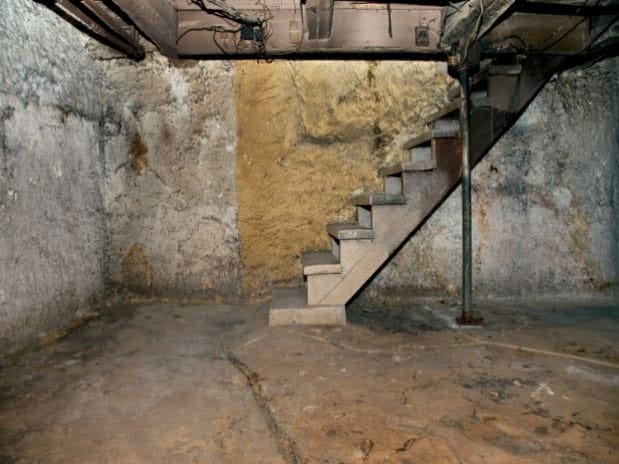
Mold commonly develops in basements where moisture accumulates on cool surfaces like concrete and wood. Limited airflow can worsen these damp conditions, while high humidity damages building materials over time and degrades indoor air quality. Mold grows on framing, insulation, drywall, and stored items if moisture persists. Here is more information about the dangers of a moldy basement and the methods used to prevent it:
Preventing Structural Damage
A moldy basement leads to long-term damage to organic building materials such as wood and paper-faced drywall. Persistent dampness weakens framing and mechanical systems and may accelerate rust on metal fasteners. Cracks in concrete and masonry also show efflorescence as salts are carried outward by water vapor, and freeze-thaw cycles in damp areas increase the risk of further water intrusion. Using vapor barriers and sealing foundation surfaces prevents water from penetrating materials, helping to control moisture and reduce conditions that support mold growth.
Managing Moisture and Condensation
Moisture on cool surfaces, such as metal ducts or insulated pipes, increases the likelihood of microbial growth. Condensation occurs when tiny droplets form on cold water pipes and drip onto surrounding materials, and persistent humidity encourages mold development on those surfaces. Controlling the environment lowers airborne humidity and limits condensation.
A mechanical dehumidifier removes water vapor from the air and helps maintain dry surfaces throughout the basement. Continuous operation of the dehumidifier supports a stable indoor environment and reduces long-term dampness. Insulating cold water pipes and HVAC ducts raises surface temperatures, which decreases condensation. Sealing gaps around doors, windows, and unconditioned spaces prevents moisture entry and helps preserve a consistent indoor humidity level. Applying vapor barriers on walls and floors also slows the movement of moisture through porous materials and protects surfaces from prolonged damp conditions.
Dealing With Water Intrusion
Gutters and downspouts that fail to carry rainwater away from the foundation allow water to accumulate at the base of a home or building. Standing water against the basement walls increases the risk of moisture entering the building. Managing exterior drainage involves proper soil grading, open channels for surface water, and directing roof runoff away from the foundation.
Slow leaks from pipes behind walls or beneath floors allow water to seep into surrounding materials; this creates damp areas where mold develops. Problems in the drainage system saturate insulation and nearby surfaces, trapping moisture in hidden spaces. Regular inspection of drains and plumbing helps identify wetness before it damages building materials.
Addressing leaks promptly limits the spread of dampness. Tools such as moisture meters or infrared cameras assist in locating hidden wet spots that require waterproofing. Clogged drainpipes redirect water toward the foundation, and keeping drainage lines clear verifies that runoff moves safely away from the home.
Understanding Storage Practices and Air Flow
Materials such as cardboard, paper, and fabrics absorb moisture readily. When damp, these items provide an environment where microbes thrive. Storing belongings directly on concrete floors or pressed against walls increases exposure to moisture. Elevated humidity around stored materials allows microbes to persist longer, raising the risk of mold growth. Using airtight plastic containers limits contact with airborne moisture and helps protect contents from microbial activity. Raised shelving improves airflow around stored items and prevents water from collecting beneath fabrics or boxes. Ventilation through vents or exhaust fans promotes air circulation in basement spaces and helps maintain more consistent humidity levels.
Address Moldy Basement Issues Today
Maintaining a building requires managing moisture in basements and underground spaces. Cracks in walls or foundations can be sealed, and improving ventilation lowers indoor humidity, limiting conditions that support mold growth. Hire moisture control specialists to help you find solutions that keep your basement dry and prevent mold growth.
