


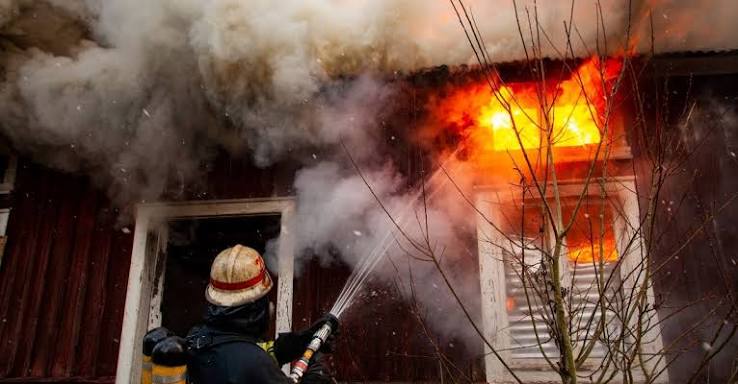
Fire damage restoration professionals help return structures to their pre-loss condition. Using specialized equipment and proven techniques, they repair damaged areas, clean affected surfaces, and remove harmful fumes to improve safety and prevent further deterioration. Here are a few roles professionals undertake during the fire restoration process:
Water Remediation
As firefighters work to extinguish a fire, the water used in the process has the potential to cause additional damage to your structure. The resulting water damage often compromises structural integrity, accelerates mold growth, and ruins household items. Fire damage restoration professionals understand how to mitigate the damage caused by water. Using specialized equipment, professionals thoroughly dry the structure to prevent secondary damage, such as wood rot or mold.
Aftermath Cleaning
In the initial phase, professionals focus on emergency pre-cleaning that involves securing the building, covering surfaces, and removing debris. By removing debris such as charred materials and collapsed ceilings, professionals eliminate hazards that could compromise safety. Professionals also cover damaged surfaces by tarping roofs and boarding up windows to safeguard the property against weather elements.
The effects of fire damage often extend beyond the structure itself, affecting personal belongings such as electronics, furniture, and important documents. Restoration professionals carefully assess each item to determine the appropriate next steps. They evaluate the condition of belongings, identify items that can be recovered, and use advanced cleaning products and proven restoration techniques to salvage valuable possessions whenever possible.
Hazard Disposal
Fire damage often leaves behind hazardous materials, including chemicals, asbestos, and lead. Restoration professionals are trained to identify and handle these materials using appropriate safety measures. During cleanup and disposal, they may wear specialized protective equipment and follow established industry guidelines to reduce exposure risks. Proper removal and handling of hazardous materials help prepare the property for safe reentry and continued use.
Soot Removal
After a fire is extinguished, residual smoke and soot continue to affect the property by damaging furniture, walls, carpets, and other surfaces. These residues often cause discoloration and persistent odors, and some soot particles contain harmful compounds. Because soot has corrosive properties, it damages metal surfaces, personal belongings, and electronic devices. Soot also affects electronics because its conductive particles interfere with electrical components; this increases the risk of short circuits and malfunctions. Professional soot removal helps address these hazards by safely removing residue from affected areas.
Effective soot removal requires more than standard cleaning products. Fire restoration professionals use specialized equipment and techniques, including ozone treatment, thermal fogging, and chemical sponges, to clean smoke- and soot-affected areas. These methods help restore the appearance of damaged spaces and improve indoor air quality. Because soot contains microscopic particles, including heavy metals and toxic organic compounds, thorough removal reduces the presence of these contaminants within the property.
Structural Restoration
After reviewing the damage, fire restoration professionals determine the level of repairs required for the property. Some projects involve minor repairs, such as replacing damaged drywall; others require extensive structural rebuilding. The assessment includes identifying compromised load-bearing walls, floor joists, and roof trusses. During this process, technicians also locate salvageable materials and preserve items that remain suitable for restoration. Severely damaged components, including flooring and walls, often require complete replacement. For affected structural elements, professionals implement stabilization measures to limit additional damage and maintain the property’s structural integrity.
Hire Fire Damage Restoration Professionals
Fire restoration professionals use damage assessments to determine the necessary restoration steps. These assessments document the extent of the damage, evaluate structural conditions, and identify areas requiring cleaning, repair, or hazardous residue removal. Partner with restoration professionals to restore your property after a fire or contact a removal team with any questions.
