


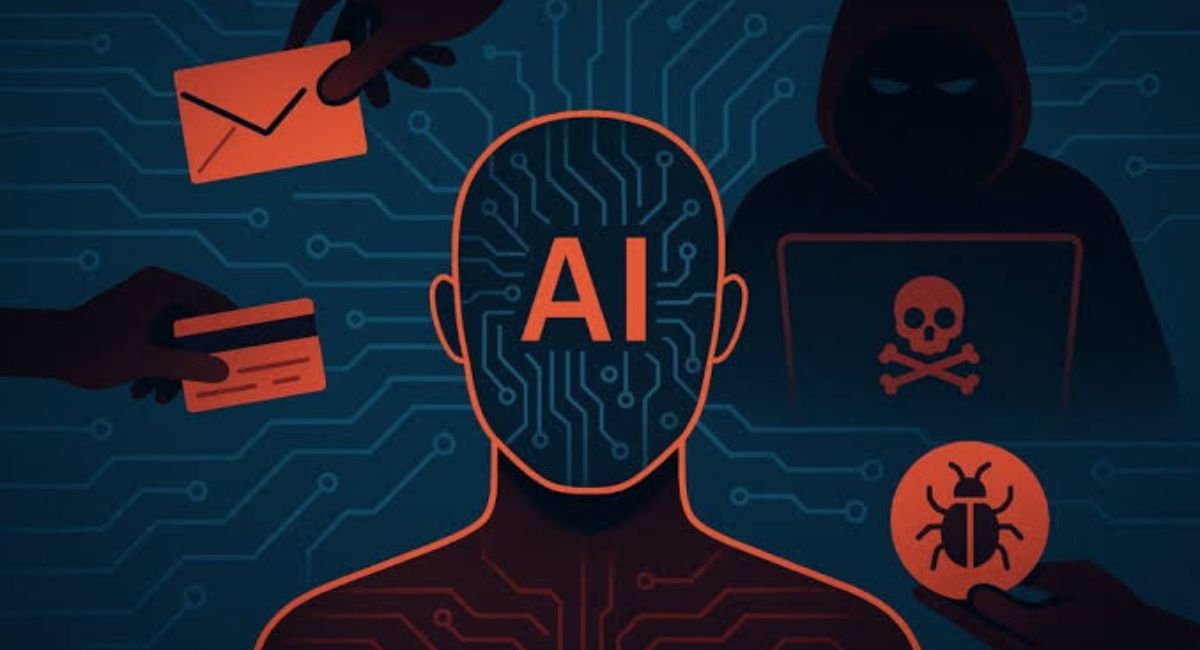
Artificial intelligence is becoming part of everyday life. From writing emails and creating pictures to answering questions and managing business tasks, AI tools are making many activities easier. But have you ever thought about what happens when someone uses this technology for the wrong reasons?
. 1. Spreading Fake News and False Information
One of the most common misuses of AI is creating and sharing misleading information. AI tools can generate realistic-looking news stories, pictures, videos, and social media posts within seconds.
For example, someone might create a fake news report about a popular company facing financial problems. If people believe and share it without checking the facts, the company’s reputation could suffer.
False information can also create confusion during elections, emergencies, and important public events.
Why it’s harmful:
- Creates confusion among the public.
- Damages the reputation of individuals and organizations.
- Makes it difficult to identify trustworthy information.
- Encourages people to believe unverified stories.
2. Creating Deepfake Videos and Images
Deepfake technology can create realistic images, audio, and videos that make someone appear to say or do something they never actually did.
For example, a fake video might show a famous personality promoting a product they have never supported. Viewers who don’t recognize the manipulation may believe the video is genuine.
This misuse can damage someone’s reputation and create serious privacy concerns.
People should check the original source of videos and avoid sharing suspicious content.
3. Online Scams and Fraud
AI-powered tools can make online scams more convincing. Scammers may use AI-generated messages, fake customer support conversations, or copied voices to trick people.
For instance, someone might receive a message that appears to come from a bank, asking them to confirm their account details. The message may look professional, but its real purpose could be stealing personal information.Artificial intelligence increase risk of online scam
Common risks include:
- Fake emails and messages.
- Fraudulent online advertisements.
- Impersonation of trusted people or businesses.
- Attempts to collect banking and personal information.
Never share passwords, verification codes, or sensitive details through unverified messages.
4. Cheating in Education
AI writing and problem-solving tools can help students understand difficult subjects. However, some students misuse them to complete their entire assignments without learning the material.
For example, a student may ask an AI chatbot to write an essay and submit the result as their own work. They might receive a grade, but they miss the opportunity to develop writing, research, and critical-thinking skills.
Technology should support learning rather than replace a student’s own effort.
5. Privacy Violations and Data Misuse
Many AI applications process information to provide personalized services. Problems arise when people or organizations collect, share, or use personal information without proper permission.
For example, a company might use customer information for purposes that customers never agreed to. This can create privacy concerns and reduce trust.
Personal information such as addresses, phone numbers, financial details, and private documents should always be protected.
6. Job Displacement and Workplace Problems
Automation is changing how businesses operate. Some companies use AI systems to perform tasks that were previously handled by employees.
For example, a business might introduce automated customer support software to answer basic questions instead of assigning every inquiry to a human representative.
Although automation can improve efficiency, excessive dependence on it may reduce certain job opportunities. Businesses should consider employee development and training when introducing new technology and Artificial intelligence
7. Biased Decisions and Unfair Treatment
AI systems learn from the information used to train them. If that information contains unfair patterns, the system may produce biased results.
For example, a recruitment system might unfairly rank job applicants because its training data reflects past hiring preferences.
This can create unequal opportunities for people.
Businesses should regularly review their systems, check their results, and ensure that important decisions involve appropriate human supervision.
8. Copyright Infringement and Content Theft
AI tools can generate articles, illustrations, music, and other creative materials. However, using generated content without considering copyright and ownership rules can create legal and ethical problems.
For example, a website owner might publish an AI-generated illustration that closely resembles another artist’s protected work without permission.
Writers, designers, and businesses should respect original creators and check the rights associated with the content they use.
9. Overdependence on AI Tools
Relying too heavily on technology can affect people’s ability to think independently and solve problems.
For example, if a student uses AI to answer every mathematics question, they may struggle when asked to solve a similar problem without digital assistance.
AI can provide useful suggestions, but people still need their own knowledge, creativity, and decision-making abilities.
A healthy balance between technology and personal effort is important.
10. Using AI for Cybercrime
Another serious concern is the misuse of AI in cybercrime. Criminals may attempt to use automated tools to create deceptive messages, identify weaknesses in computer systems, or carry out online attacks.
For example, a criminal might use AI-generated messages to make a fake delivery notification look like an official communication from a courier company.
Such activities can put personal accounts, business information, and digital services at risk.
Strong passwords, updated software, and reliable security practices can help reduce these risks.
How Can We Prevent the Misuse of Artificial Intelligence?
Preventing the misuse of artificial intelligence requires responsible behaviour from individuals, businesses, schools, and technology developers.
Here are some practical steps:
- Verify information: Check facts before sharing online news, pictures, or videos.
- Protect personal data: Avoid entering private information into unfamiliar applications.
- Follow ethical guidelines: Use AI tools honestly in education and professional work.
- Respect copyright: Don’t copy or publish someone else’s creative work without permission.
- Develop digital awareness: Learn how to identify fake content and online scams.
- Maintain human supervision: Important decisions should not depend entirely on automated systems.
- Use trusted platforms: Choose reliable applications with clear privacy policies.
These simple habits can help people enjoy the benefits of technology while avoiding unnecessary risks.
Conclusion
Technology can make everyday activities faster and more convenient, but its misuse creates challenges that shouldn’t be ignored. From fake videos and online fraud to privacy violations and educational dishonesty, these problems show why responsible use matters.Artificial intelligence should be treated as a helpful tool, not something that replaces human judgment or personal responsibility.
Frequently Asked Questions (FAQs)
1. What are the major misuses of artificial intelligence?
Major misuses include creating fake news, producing deepfake videos, online fraud, cheating in education, privacy violations, spreading biased information, and cybercrime.
2. Can AI be used for online scams?
Yes. Scammers can misuse AI to create convincing fake messages, advertisements, and impersonation attempts to deceive people and collect personal information.
3. How does AI misuse affect students?
It can encourage academic dishonesty, reduce independent thinking, and limit opportunities to develop problem-solving and writing skills.
4. Is deepfake technology dangerous?
It can be harmful when used to create misleading videos or images without someone’s permission. Such content may damage reputations and spread false information.
5. How can we use AI responsibly?
People should verify information, protect their personal data, respect copyright rules, avoid dishonest activities, and use AI as a support tool rather than a replacement for human thinking.
