


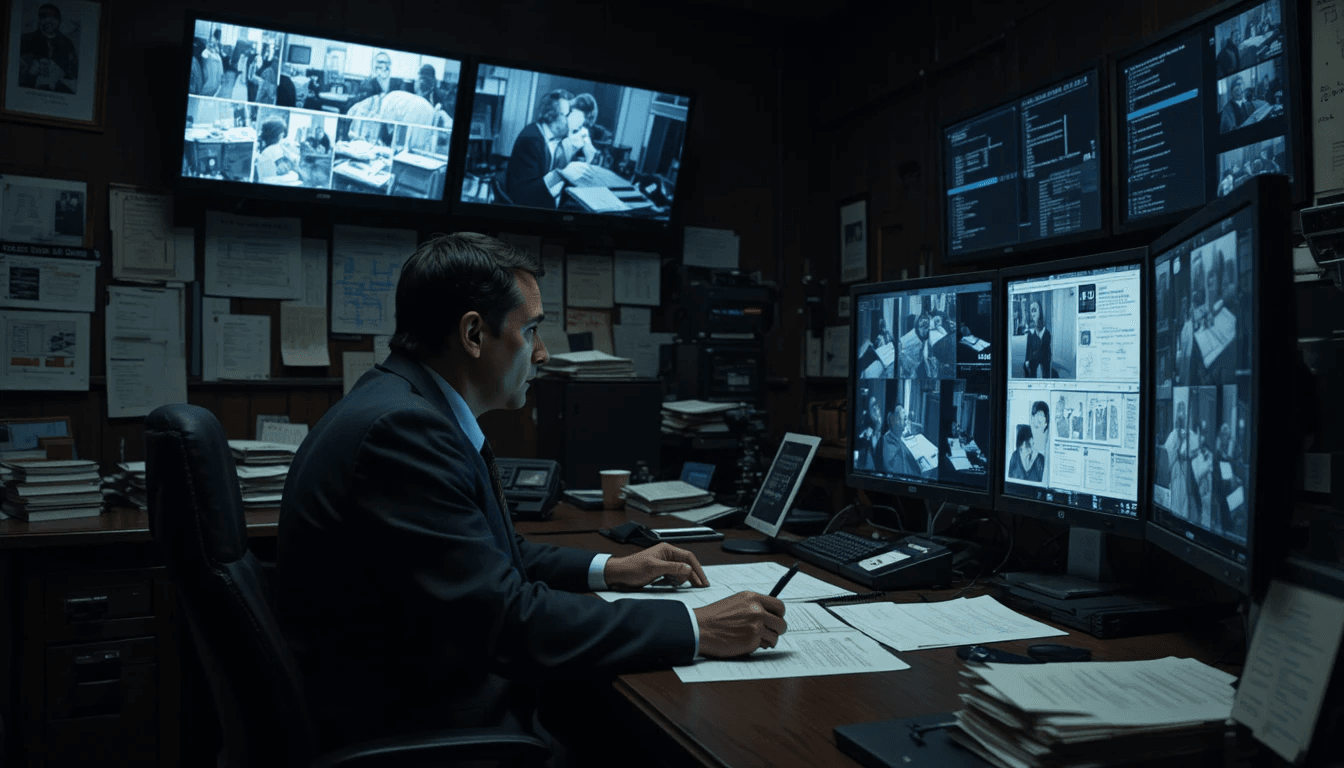
Careful criminal defense work has a reputation for being slow and detail obsessed, but that is exactly what has kept innocent people out of prison and sometimes out of life destroying convictions. Behind the scenes you often find highly trained Criminal Defense Investigators quietly testing every claim, checking every video frame, interviewing every overlooked witness and asking the awkward questions no one else wants to touch; to see that level of dedication in action, visit Blackledge Investigations in Connecticut. When they do their job properly, the story can flip from guilty to not guilty in a single piece of evidence.
Why A Defense Investigation Changes The Whole Story
Police investigations are built to prove a crime happened and to identify a suspect, while defense investigations are built to challenge every step in that chain. A good Criminal Defense Investigator treats the official story as a working theory, not a finished truth, and that small mindset shift can literally decide whether someone goes home or goes to prison. Here is a fun fact to set the stage: jurors remember visual evidence and simple timelines far better than long speeches, which means one well prepared investigator can rewrite a “hopeless” case with a clear chart or a single enhanced video still.
1. The “Caught On Camera” Robbery That Wasn’t
In one case, the prosecution swore they had airtight security footage of a corner store robbery. The defendant had the same jacket, the same haircut and even a similar walk. A Criminal Defense Investigator did a frame by frame review and noticed a tiny logo on the hood in the video that was missing from the client’s jacket. That led them to the original clothing receipts, proving the defendant bought his coat months after the robbery took place. Once the jury saw the side by side comparison, the “perfect” identification collapsed and the verdict turned into an acquittal.
2. The Witness Who Remembered Too Much
Eyewitnesses can sound extremely convincing. In an assault case, a key witness recalled every detail down to license plate numbers and exact times late at night in the rain. A skeptical investigator checked the street lighting records, weather reports and angles of view from the apartment window. They even recreated the scene with the same conditions. The result showed that the witness could not possibly have seen what they claimed. The prosecution’s star witness lost credibility, and the jury returned a not guilty verdict.
How Bail And Freedom Help The Defense Team Work
Before a trial ever starts, money and liberty quietly shape how strong a defense can be. When someone is arrested, the question is not only “what happened” but also whether they can stay home while the case moves forward. Bail bonds from https://www.bailcobailbonds.com play a huge role in this early chapter by letting a family pay a percentage of the total bail to secure release instead of the full amount. That means the accused can keep working, help locate documents, meet with their Criminal Defense Investigator in person and assist in lining up witnesses who might move or disappear. A person who remains in custody has to rely on hurried phone calls and short visits, which limits the kind of deep fact checking that often turns up the truth. Bail bond arrangements are not perfect and they can be stressful, but they often make the difference between a rushed, shallow defense and a calm, well prepared investigation that actually has a chance to win at trial.
3. The Phone Records That Proved An Alibi
In a burglary case, the accused insisted they had been on a long call with a relative during the time of the crime. The initial phone records the prosecution pulled did not show the call, so the story sounded like a classic excuse. A Criminal Defense Investigator dug deeper, subpoenaed full carrier logs and discovered the call was made through a different app using data, not the usual call network. Once those logs and geo location pings were explained in court, they placed the defendant miles away from the crime scene. The judge had no choice but to dismiss the case.
4. The “Confession” That Fell Apart On Tape
Interrogations can be intense and confusing, especially for teens or people who scare easily. In one serious felony case, the suspect had supposedly “confessed” in writing. A defense investigation pushed for the full video of the interview, not just the typed statement. On the recording, jurors saw hours of leading questions, promises of going home, and the suspect repeating phrases fed by investigators. A forensic linguist hired by the defense even highlighted language in the confession that did not match the suspect’s normal speech patterns. Once the jury watched the full context, the confession was thrown out and the verdict changed.
5. The Surveillance Camera That Looked The Wrong Way
Sometimes it is not about what a camera shows, but what it cannot show. In a street fight case, prosecutors relied on grainy footage that seemed to show the defendant throwing the first punch. A Criminal Defense Investigator visited the scene with a measuring wheel, tested viewing angles and discovered that a tree branch now missing had blocked the view that night. They tracked down older photos on social media that showed the branch in place months before the incident. That simple detail convinced the jury that the video angle was misleading and helped secure a reduction to a lesser charge.
6. The Lab Report With A Typo That Saved A Life
In a drug case, a lab report listed a high weight of illegal substances. An investigator carefully compared every lab number and found that one digit in the sample ID had been transposed, meaning the result belonged to a completely different case. Follow up questions revealed that the lab had mixed up several samples during a busy week. Once that error surfaced, the entire chain of evidence was called into question and the charges were dropped. Here is another fun fact from real life labs: quality checks often run on random samples, which means a defense request for more documentation can uncover mistakes that would never appear in a standard report.
7. The Social Media Post That Proved Self Defense
In a battery case, the alleged victim testified they had never threatened the defendant. A Criminal Defense Investigator combed through months of messages and public posts and discovered a string of aggressive comments and private threats that painted a very different picture. Screenshots, metadata and even deleted posts recovered from backups helped show a pattern of harassment. Presented in court, this evidence shifted the narrative from an unprovoked attack to a desperate attempt to get away, and the jury returned a verdict that recognized self defense.
8. The Old Case File That Freed An Innocent Man
Cold cases do not only exist for unsolved crimes. One investigator reviewing a decades old conviction noticed that ballistics technology had changed dramatically since the original trial. They pushed to have the firearm evidence retested with modern methods. The new results showed that the bullets did not match the weapon tied to the defendant, which opened the door to further DNA testing and witness reinterviews. Ultimately, the conviction was overturned and the man walked free after many years behind bars, all because a Criminal Defense Investigator refused to treat an old verdict as the final word.
What These Turnaround Cases Have In Common
Across all eight stories, the pattern is clear: when Criminal Defense Investigators are given time, access and respect, they often find facts that others miss. They verify timelines, question assumptions and sometimes discover that the simplest explanation fits the evidence best, just not the way the prosecution first claimed. The justice system works best when there is a real contest of ideas, and a strong defense investigation is what turns that contest into a fair fight instead of a formality.
