


Drinking Enough Water for Good Health: Why Your Body Needs It Every Day
Have you ever noticed how difficult it is to concentrate when you haven’t had enough water throughout the day? Sometimes, a simple headache, tiredness, or dry mouth can be a reminder that your body needs more fluids.
Drinking water is one of the simplest ways to take care of your body, yet it’s something many people forget to do. Between work, studies, household responsibilities, and busy schedules, it’s easy to go several hours without drinking a glass of water.
Water isn’t just something we drink when we’re thirsty. It supports many important functions in the body, from digestion to temperature regulation. Making water a regular part of your daily routine can help you feel more comfortable, active, and refreshed.
Let’s look at why drinking enough water matters and how you can build better hydration habits without making things complicated.
Why Is Drinking Enough Water Important for Good Health?
Our bodies depend on water to function properly. Every cell, tissue, and organ needs it to perform its everyday activities.
Water helps regulate body temperature, transport nutrients, remove waste, and support digestion. When your body doesn’t receive enough fluids, you may experience thirst, headaches, tiredness, or difficulty concentrating.
Staying hydrated is especially important during hot weather, physical activity, or days when you’re spending a lot of time outdoors.
You don’t need an expensive drink or a complicated wellness routine. Sometimes, keeping a water bottle nearby is enough to remind yourself to drink regularly.
7 Important Benefits of Drinking Enough Water
1. Supports Better Digestion
Have you ever experienced constipation after a few days of poor eating and drinking habits?
Water plays an important role in digestion. It helps break down food and allows nutrients to move through the digestive system. It also helps soften stools, making bowel movements easier.
Drinking enough water, along with eating fibre-rich foods such as fruits, vegetables, and whole grains, can support regular digestion.
2. Helps Maintain Normal Body Temperature
Our bodies naturally produce heat throughout the day. Water helps control body temperature through sweating.
When you’re walking outside on a hot afternoon or exercising, your body loses fluids through sweat. Replacing those fluids helps maintain normal body functions.
This is particularly important during summer, when temperatures can rise significantly.
3. Keeps Your Brain Functioning Properly
Water is important for normal brain function.
Even mild dehydration can affect concentration, mood, and alertness. You might find it harder to focus on studying, working, or completing everyday tasks.
For students, keeping a water bottle on their study table can be a simple but useful habit.
And honestly, taking a short water break while studying isn’t a bad idea!
4. Supports Healthy Skin

Healthy-looking skin isn’t only about using skincare products. Your daily habits matter too.
Drinking enough water helps maintain normal hydration throughout the body. When you’re dehydrated, your skin may appear less comfortable or feel dry.
However, drinking extra water won’t automatically remove acne, shrink pores, or completely change your skin’s appearance.
A balanced diet, gentle skincare routine, and suitable moisturizer are also important for maintaining healthy skin.
5. Helps Your Kidneys Remove Waste
Your kidneys work continuously to filter waste products from your blood.
Water helps the kidneys remove waste through urine. Drinking enough fluids supports this natural process and helps maintain normal kidney function.
If you don’t drink enough water, your urine may become darker and more concentrated.
Pale yellow urine is generally a useful sign that you’re getting enough fluids, although some vitamins and medications can change its colour.
6. Supports Physical Activity
Whether you’re walking, cycling, exercising, or doing household work, your body needs water to function properly.
During physical activity, you lose fluids through sweating. If you don’t replace them, you may feel tired or experience reduced physical performance.
Drinking water before, during, and after exercise can help maintain hydration.
You don’t have to wait until you’re extremely thirsty to take a drink.
7. May Help Reduce Unnecessary Snacking
Sometimes, people confuse thirst with hunger. This doesn’t happen every time, but it can occur.
If you feel slightly thirsty between meals, drinking a glass of water may help you understand whether you actually need food or simply need fluids.
Remember, water isn’t a replacement for meals. Your body still needs proper nutrition and regular food throughout the day.
How Much Water Should You Drink Every Day?
There’s no single amount of water that works for everyone.
Your daily fluid needs depend on several factors, including:
- Your age and body size.
- The weather and temperature.
- Your physical activity.
- Your overall health.
- Your diet and daily routine.
Some people need more fluids during hot weather or exercise because they lose additional water through sweating.
Water from food also contributes to your daily fluid intake. Fruits such as watermelon, oranges, and strawberries contain plenty of water.
Instead of following a strict number without considering your needs, pay attention to thirst, urine colour, and your daily activities.
Signs That You May Not Be Drinking Enough Water
Your body can give you several signals when it needs more fluids.
Here are some common signs of dehydration:
- Feeling thirsty frequently.
- Having a dry mouth or lips.
- Passing dark yellow urine.
- Urinating less often than usual.
- Feeling tired or less energetic.
- Experiencing headaches.
- Feeling dizzy, especially when standing up.
Mild dehydration can often improve by drinking fluids. However, severe dehydration needs medical attention.
If you experience confusion, fainting, or severe dizziness, seek urgent medical help.
Simple Ways to Drink More Water During the Day
Building a hydration habit doesn’t have to be difficult. You can start with small changes and make them part of your routine.
1. Start Your Morning With Water
Keep a glass of water near your breakfast area. Drinking some water after waking up is an easy way to begin your day.
You don’t need to drink a large amount immediately.
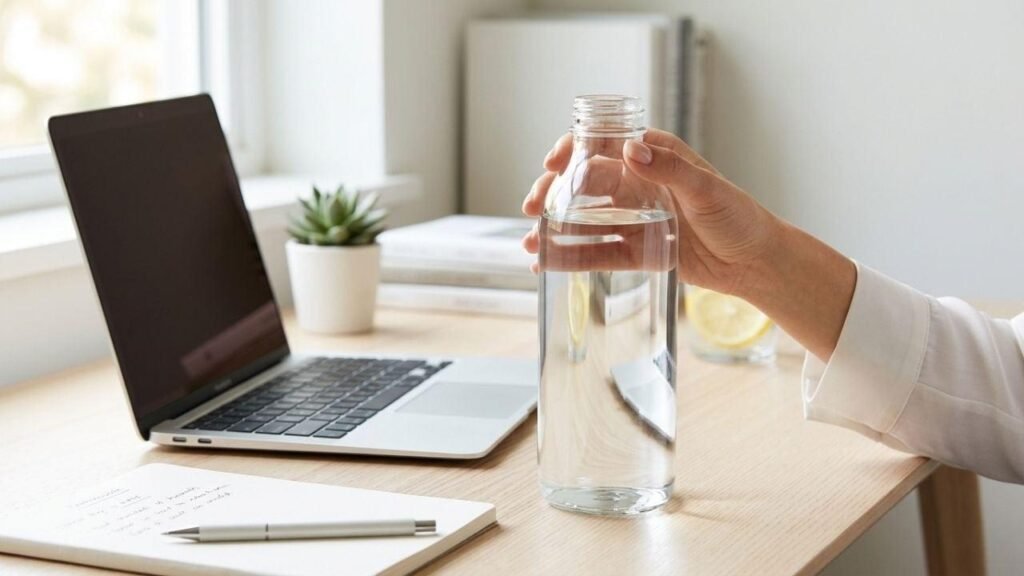
2. Keep a Water Bottle Nearby
A water bottle on your study table, office desk, or in your bag makes drinking water more convenient.
When water is within reach, you’re less likely to forget about it.
3. Drink Water With Meals
Make it a habit to have water with breakfast, lunch, and dinner.
This is an easy reminder that doesn’t require setting alarms throughout the day.
4. Eat Water-Rich Foods
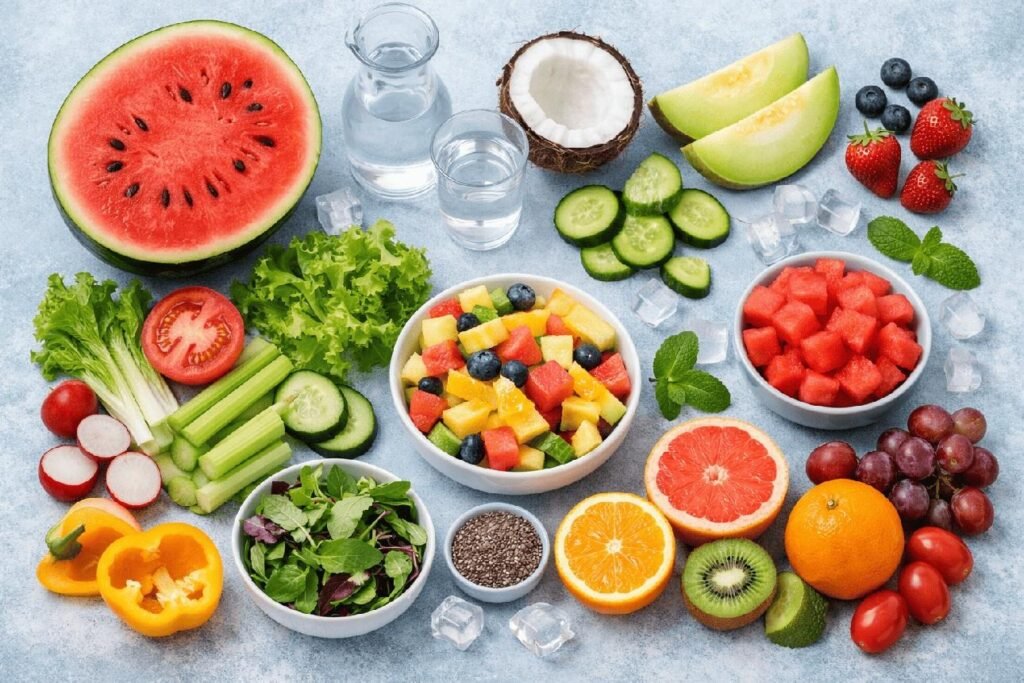
You can also get fluids from foods.
Some water-rich options include:
- Watermelon
- Cucumber
- Oranges
- Strawberries
- Lettuce
- Tomatoes
- Melons
These foods provide water along with vitamins, minerals, and other nutrients.
5. Reduce Your Dependence on Sugary Drinks
Soft drinks and sweetened juices can add a lot of sugar to your daily diet.
Try choosing plain water more often. If you enjoy flavoured drinks, adding a few slices of lemon, cucumber, or mint can make water more enjoyable.
6. Drink More During Hot Weather
In countries like Pakistan, summer temperatures can become quite high.
If you’re spending time outdoors, walking in the sun, or doing physical work, remember to replace the fluids you lose through sweating.
Don’t ignore thirst, especially during hot afternoons.
Is Drinking Too Much Water Harmful?
Yes, drinking excessive amounts of water can also be harmful.
Although water is essential, drinking far more than your body needs can dilute sodium in your blood. This condition is known as hyponatremia.
It can become serious, especially when someone drinks excessive amounts of water in a short period.
The goal isn’t to drink as much water as possible. It’s to maintain a healthy balance according to your body’s needs.
People with certain kidney, heart, or other medical conditions may need specific fluid recommendations from their healthcare professional.
Water vs Other Drinks: Which Is Better for Daily Hydration?
Not every drink has the same nutritional value.
Here’s a simple comparison:
| Drink | Hydration and other benefits |
| Plain water | Excellent everyday hydration without added sugar |
| Milk | Provides fluids, protein, and calcium |
| Fresh fruit juice | Provides fluids and some vitamins but can contain considerable natural sugar |
| Coconut water | Provides fluids and some electrolytes |
| Soft drinks | Provide fluids but often contain added sugar |
Plain water is usually the easiest and most practical choice for everyday hydration.
Other drinks and foods can contribute to your total fluid intake too.
Common Myths About Drinking Water
There are many claims about water that aren’t completely accurate. Let’s clear up a few common misunderstandings.
Myth 1: Everyone Must Drink Eight Glasses of Water
Eight glasses is a popular guideline, but it’s not a strict requirement for everyone.
Fluid needs vary depending on age, activity, climate, and health.
Myth 2: Drinking More Water Automatically Gives You Clear Skin
Water supports normal hydration, but it isn’t an acne treatment.
Clear skin depends on several factors, including genetics, hormones, skincare habits, and overall health.
Myth 3: You Should Drink Water Only When You’re Thirsty
Thirst is an important signal, but during exercise or hot weather, it’s sensible to drink regularly rather than waiting until you’re very thirsty.
Myth 4: Cold Water Is Bad for Your Health
For most healthy people, drinking cold water is perfectly fine.
Choose the temperature you find comfortable. There’s no general need to avoid cold water.
Conclusion: Make Drinking Water a Daily Habit
Taking care of your body doesn’t always require major lifestyle changes. Sometimes, the smallest habits make a meaningful difference.
Drinking enough water supports digestion, normal brain function, temperature regulation, and kidney health. It also helps your body stay hydrated during everyday activities.
If you often forget to drink water, start with one simple change: keep a water bottle nearby and make drinking water part of your daily routine.
You don’t need to follow complicated rules. Just pay attention to your body’s needs and maintain a balanced approach.
Remember, good health starts with consistent everyday choices, and staying hydrated is one of them.
Frequently Asked Questions (FAQs)
1. How many glasses of water should I drink daily?
There isn’t one fixed amount for everyone. Your water needs depend on your age, activity level, diet, weather, and health. Pay attention to thirst and other signs of hydration.
2. Is drinking water first thing in the morning beneficial?
Yes. Drinking water in the morning helps replace fluids after several hours of sleep. It’s a simple way to begin your daily hydration routine.
3. Does drinking water help improve skin health?
Water supports normal hydration throughout the body, including the skin. However, drinking extra water won’t automatically treat acne, remove dark spots, or eliminate pores.
4. Can drinking enough water improve digestion?
Yes. Water supports digestion and helps soften stools. Combining proper hydration with fibre-rich foods can help prevent constipation.
5. What is the best time to drink water?
You can drink water throughout the day. Having it after waking up, with meals, and during physical activity can help you maintain regular hydration.
6. Is it okay to drink water before sleeping?
Yes, drinking some water before bed is generally fine. However, drinking a large amount immediately before sleeping may interrupt your sleep because you’ll need to use the bathroom.
7. What happens if I don’t drink enough water?
Not drinking enough water can lead to dehydration. Common symptoms include thirst, dry mouth, dark urine, tiredness, headaches, and dizziness.
8. Are fruits a good source of water?
Yes. Fruits such as watermelon, oranges, strawberries, and melons contain significant amounts of water and can contribute to your daily fluid intake.
- for healthy hydration habits
