


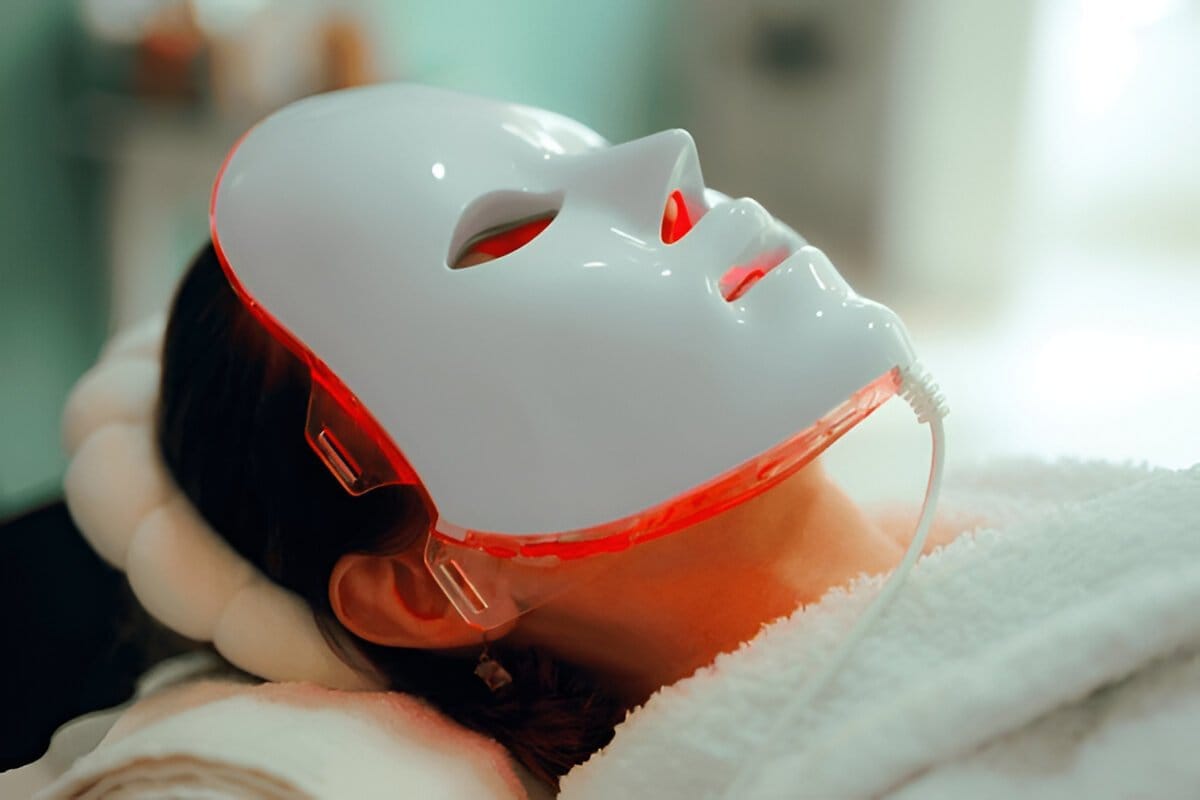
Not that long ago, red light therapy sounded like one of those wellness trends you’d scroll past and forget about. Interesting… maybe… but not urgent. Fast forward to now, and suddenly people are actively searching “red light skin therapy” like it’s part of their weekly routine. And honestly? There’s a reason for that.
As we head into 2026, red light spas are no longer a “nice-to-try” experience. For a lot of people, they’ve quietly become a must-visit—right up there with massages, facials, and gym memberships. Let’s talk about why.
It’s Not Just About Skin Anymore
Yes, red light therapy is still famous for glowing skin, collagen support, and smoothing out fine lines. That hasn’t changed. What has changed is how people are using it.
More clients are walking into red light spas for:
- Muscle recovery after workouts
- Joint stiffness and everyday aches
- Stress relief and better sleep
- Inflammation support
- Overall “I just need to feel better” days
It’s gone from beauty treatment to whole-body wellness—and that shift is huge.
Life Is Louder, Faster, and More Exhausting
Let’s be real for a second. Everyone is tired. Mentally, physically, emotionally. Phones never stop buzzing. Workdays blur into evenings. Even rest feels scheduled.
Red light spa near me offer something rare: quiet, low-effort relief.
You don’t need to sweat, stretch, or talk. You lie down. The lights turn on. Your body does the work. For 10–20 minutes, there’s nothing to manage, optimize, or respond to. That alone makes it incredibly appealing in 2026.
Science Finally Caught Up With Curiosity
A few years ago, people were curious about red light therapy but unsure. Was it legit? Was it hype?
Now, there’s far more education around how red and near-infrared light interact with the body at a cellular level. People understand that this isn’t heat, UV, or tanning—it’s light that supports cellular energy and repair.
That clarity has made people more comfortable committing to regular sessions instead of “just trying it once.”
Red Light Spas Feel Approachable
Not everyone loves the gym. Not everyone wants a massage where they have to talk or undress. Red light therapy sits in this comfortable middle ground.
No pressure. No skill required. No recovery time.
You can come in on your lunch break, after work, or on a slow Saturday morning. That flexibility is exactly why red light therapy spas are being woven into real life—not just self-care days.
Wellness Is Becoming Preventive, Not Reactive
In the past, many people waited until something hurt or broke down before doing anything about it. That mindset is shifting fast.
In 2026, wellness is about staying ahead of discomfort, stress, and burnout. Red light therapy near me fits perfectly into that approach. People aren’t just using it for pain—they’re using it to avoid pain. Not just for aging skin—but to support skin health long-term.
That proactive mindset is a big reason red light spas are seeing steady, year-round demand.
It Pairs Perfectly With Other Spa Services
Another reason red light spas are booming? They don’t exist in isolation anymore.
Many spas now combine red light therapy with:
- Sunless tanning
- Infrared sauna sessions
- Massage chairs
- Body contouring or wraps
- Post-workout recovery services
Clients love stacking benefits. A red light session before or after another treatment just makes sense—and it keeps people coming back.
People Want Results Without Downtime
One of the biggest reasons red light spas are winning in 2026 is simple: no downtime.
You don’t peel.
You don’t bruise.
You don’t need recovery days.
You walk out feeling normal—or better. For busy people who can’t afford disruption, that’s incredibly valuable.
It Feels Personal, Even Without Being Complicated
Unlike tanning salon treatments that require intense consultations or prep, red light therapy still feels personal. Session lengths, frequency, and combinations can be adjusted—but nothing feels overwhelming.
Clients feel supported without being micromanaged. And in a world full of instructions, that’s refreshing.
Red Light Therapy Fits Modern Wellness Budgets
Let’s talk money—because it matters.
Red light therapy sessions are often more affordable than massages, injectables, or intensive skincare treatments. Many spas offer memberships or packages, which makes consistency easier.
For people looking for something they can do regularly, not just once or twice a year, red light therapy checks the box.
FAQs
What exactly happens during a red light therapy session?
You relax in front of red and near-infrared lights for a set amount of time while the light penetrates the skin and tissues.
How often should I visit a red light spa?
Many people go 2–4 times a week, especially at first. Frequency can taper once results are noticeable.
Is red light therapy safe?
Yes, when used properly. It’s non-UV and non-invasive.
Will I see results right away?
Some people feel benefits quickly (like relaxation or reduced stiffness), while skin and long-term benefits build gradually.
Can red light therapy replace other treatments?
It often complements other treatments rather than replacing them entirely.
Is it just for skincare?
Not at all. Skin is a bonus—many people go primarily for pain relief, recovery, or stress reduction.
Final Thoughts
Red light spas aren’t becoming popular by accident. They’re filling a very real gap in modern life—offering relief, restoration, and results without pressure or recovery.
As we move into 2026, it’s clear that people aren’t just chasing trends anymore. They’re choosing treatments that fit their lives, their schedules, and their energy levels.
