


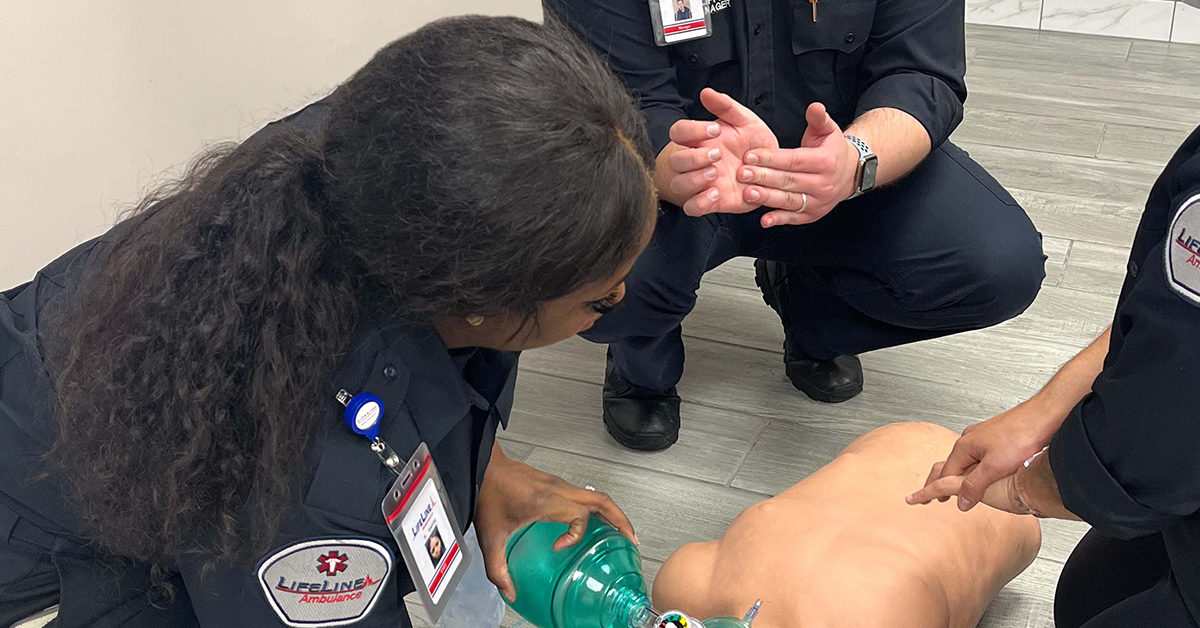
Cardiopulmonary resuscitation (CPR) education can impact community health initiatives. It equips individuals with knowledge and skills to respond quickly during cardiac emergencies and save lives. The training is tailored for community members and lay rescuers to encourage a culture of care and responsibility. Here is more information about the impact of CPR on community health initiatives:
Faster Emergency Response
Cardiac emergencies often require a rapid response to maintain blood flow and reduce the risk of long-term damage. When a bystander begins CPR quickly, the patient’s chances of survival and better neurological outcomes increase. Community training in cardiopulmonary resuscitation strengthens emergency response by enabling people to act without hesitation, and it helps individuals feel more confident during high-stress situations.
Emergencies at home, in workplaces, or in public settings are more likely to be managed effectively before professional help arrives. Bystanders play a key role by sustaining circulation and oxygen delivery during cardiac arrest. Through training, community members learn key skills such as hands-only CPR, and they are taught how to recognize the warning signs of cardiac arrest.
Many courses also include instruction on the proper use of an automated external defibrillator (AED). With this combined knowledge and practical experience, bystanders can offer assistance before emergency medical services arrive. This contributes to a safer, more involved community.
Reduced Healthcare Burden
Delayed or unsuccessful cardiopulmonary resuscitation increases the risk of neurological injury and multi-organ failure, which places a greater burden on healthcare systems. Patients who survive cardiac arrest often require medical interventions, including intensive care, rehabilitation services, and advanced medications. By investing in community-wide CPR training, communities can help reduce this overall healthcare burden while also lowering the likelihood of irreversible conditions such as anoxic brain injury.
Training bystanders in cardiopulmonary resuscitation can also decrease dependence on immediate professional medical intervention. Many CPR programs are accessible to a wide range of individuals. When cardiac emergencies occur and medical responders are not immediately available, trained community members provide care, and this early assistance allows healthcare systems to focus resources on patients who require specialized or advanced treatment.
Increased Survival Rates
One of the impacts of cardiopulmonary resuscitation on community health initiatives is its ability to improve survival rates. When the heart suddenly stops, oxygen delivery to the brain and organs is interrupted, and irreversible damage can begin within minutes. Survival chances decline rapidly with each minute that CPR is delayed; early intervention helps preserve organ function during the initial moments following cardiac arrest. In many situations, emergency medical services require several minutes to reach the scene, which leaves bystanders as the first and often only source of assistance. When community members are trained in cardiopulmonary resuscitation, they are more likely to act immediately, and this prompt response can increase a victim’s chances of survival in some cases.
Reduced Health Disparities
Targeted cardiopulmonary resuscitation training can increase the availability of basic life-support skills within communities that have lower participation in bystander education. Some courses are offered online, which allows participants to complete instruction with fewer time constraints. Most programs are able to be completed within a short time frame. Bystander training programs are often designed to be accessible and practical for a range of communities. Training may also include information on interacting with emergency services and legal matters, addressing common concerns raised by community members.
Earn Your CPR Certification Today
Completing a cardiopulmonary resuscitation course prepares individuals for cardiac-related emergencies. Whether you are a parent, childcare worker, teacher, or security personnel, the course equips you with basic first-aid skills necessary to save lives. It enables community members to act quickly in emergencies and reduce the healthcare burden associated with post-cardiac arrest care. Contact a trusted provider of CPR training today to earn your certification.
